
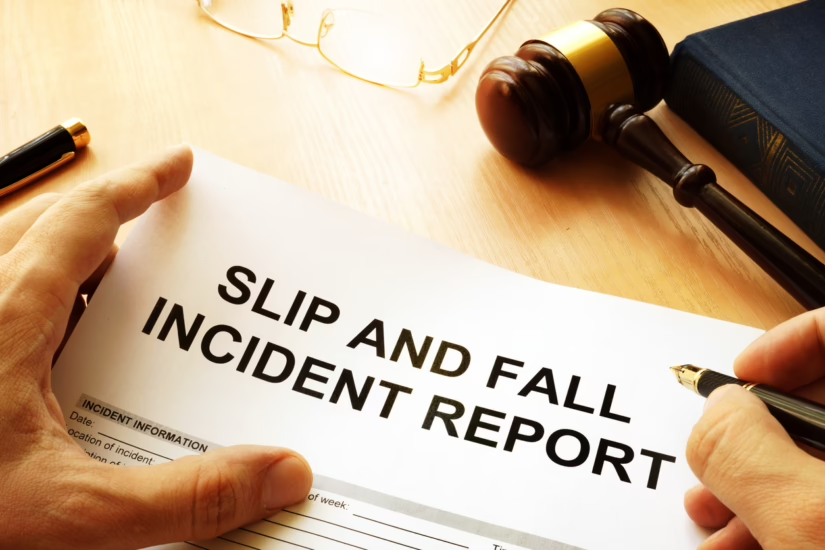
Falls happen every day, but not all fall accidents occur the same way. Two of the most common types of premises liability accidents are slip and fall accidents and trip and fall accidents. Although these terms are often used interchangeably, they describe different types of incidents with different causes.
Understanding the difference can help injured victims better understand how an accident happened and whether a property owner’s negligence may have played a role.
What Is a Slip and Fall Accident?
A slip and fall accident occurs when a person’s foot loses traction against the walking surface, causing them to slide unexpectedly. Because the foot moves out from under the body, the person often falls backward or sideways.
Slip and fall accidents are commonly caused by slippery conditions, including:
- Wet or freshly mopped floors
- Spilled food or liquids
- Ice or snow
- Grease or oil
- Loose floor mats
- Recently waxed or polished floors
- Slippery entryways during rainy weather
These accidents frequently occur in grocery stores, restaurants, office buildings, apartment complexes, parking lots, hotels, and other businesses that invite members of the public onto their property.
What Is a Trip and Fall Accident?
A trip and fall accident happens when a person’s foot strikes an object or uneven surface, causing them to lose balance and fall forward. Unlike a slip, where traction is lost, a trip occurs because something blocks or interrupts a person’s stride.
Common causes of trip and fall accidents include:
- Uneven sidewalks
- Broken pavement
- Torn carpeting
- Raised flooring
- Cracked stairs
- Electrical cords stretched across walkways
- Poorly placed merchandise or displays
- Debris left in walking paths
Trip and fall accidents often result in people landing on their hands, knees, shoulders, or face as they instinctively try to catch themselves.
Why the Difference Matters
Whether an accident is classified as a slip and fall or a trip and fall can help identify what dangerous condition caused the injury. The type of hazard involved often affects the evidence needed to prove that a property owner failed to maintain reasonably safe premises.
For example, proving a slip and fall claim may require evidence showing that a spill existed long enough for the property owner to discover and clean it up. A trip and fall case may focus on whether an uneven surface, broken step, or other obstacle should have been repaired or removed before someone was injured.
In either situation, injured victims generally must show that the property owner knew or reasonably should have known about the hazardous condition and failed to correct it or provide adequate warning.
Common Injuries in Slip and Trip Accidents
Both types of falls can cause serious injuries, especially for older adults and anyone who lands awkwardly during the accident.
Common injuries include:
- Broken bones
- Wrist and arm fractures
- Hip fractures
- Traumatic brain injuries
- Concussions
- Back injuries
- Neck injuries
- Shoulder injuries
- Knee injuries
- Soft tissue injuries
- Cuts and bruises
Some victims require surgery, rehabilitation, or long-term medical treatment, while others may experience permanent limitations that affect their ability to work and enjoy everyday activities.
Who May Be Responsible?
Property owners, business owners, landlords, management companies, and others responsible for maintaining a property have a duty to address unreasonable hazards or warn visitors about dangerous conditions.
Depending on the circumstances, liability may arise from:
- Failing to clean spills promptly
- Ignoring broken sidewalks or flooring
- Poor building maintenance
- Inadequate lighting
- Failure to inspect the property
- Failure to repair known hazards
- Leaving obstacles in pedestrian walkways
Determining who is responsible often requires a thorough investigation into how the accident occurred and who controlled the property.
What Should You Do After a Fall Accident?
If you are injured in a slip or trip and fall accident, taking prompt action can help protect both your health and any future legal claim.
Important steps include:
- Seek medical attention immediately.
- Report the accident to the property owner or manager.
- Take photographs of the hazardous condition if possible.
- Obtain contact information from witnesses.
- Keep your shoes and clothing in the same condition after the accident.
- Save medical records and receipts related to your injuries.
- Speak with a personal injury attorney before discussing the accident with an insurance company.
Evidence can disappear quickly after a fall, making early documentation especially important.
Contact a Shreveport Personal Injury Lawyer at Desiah Injury Lawyers for a Free Consultation
Slip and fall accidents and trip and fall accidents may occur differently, but both can lead to significant injuries and financial losses. An experienced personal injury attorney at Desiah Injury Lawyers can investigate the cause of the accident, preserve important evidence, identify the responsible parties, and pursue compensation for your medical expenses, lost income, pain and suffering, and other damages.
For more information, please contact an experienced personal injury lawyer at Desiah Injury Lawyers at the nearest location for a consultation.
Desiah Injury Lawyers – Shreveport Office
333 Texas St Suite Suite 1300, Shreveport, LA 71101
(318) 252-3034
Desiah Injury Lawyers – New Orleans Office
201 St Charles Ave #2500, New Orleans, LA 70170
(504) 553 3047